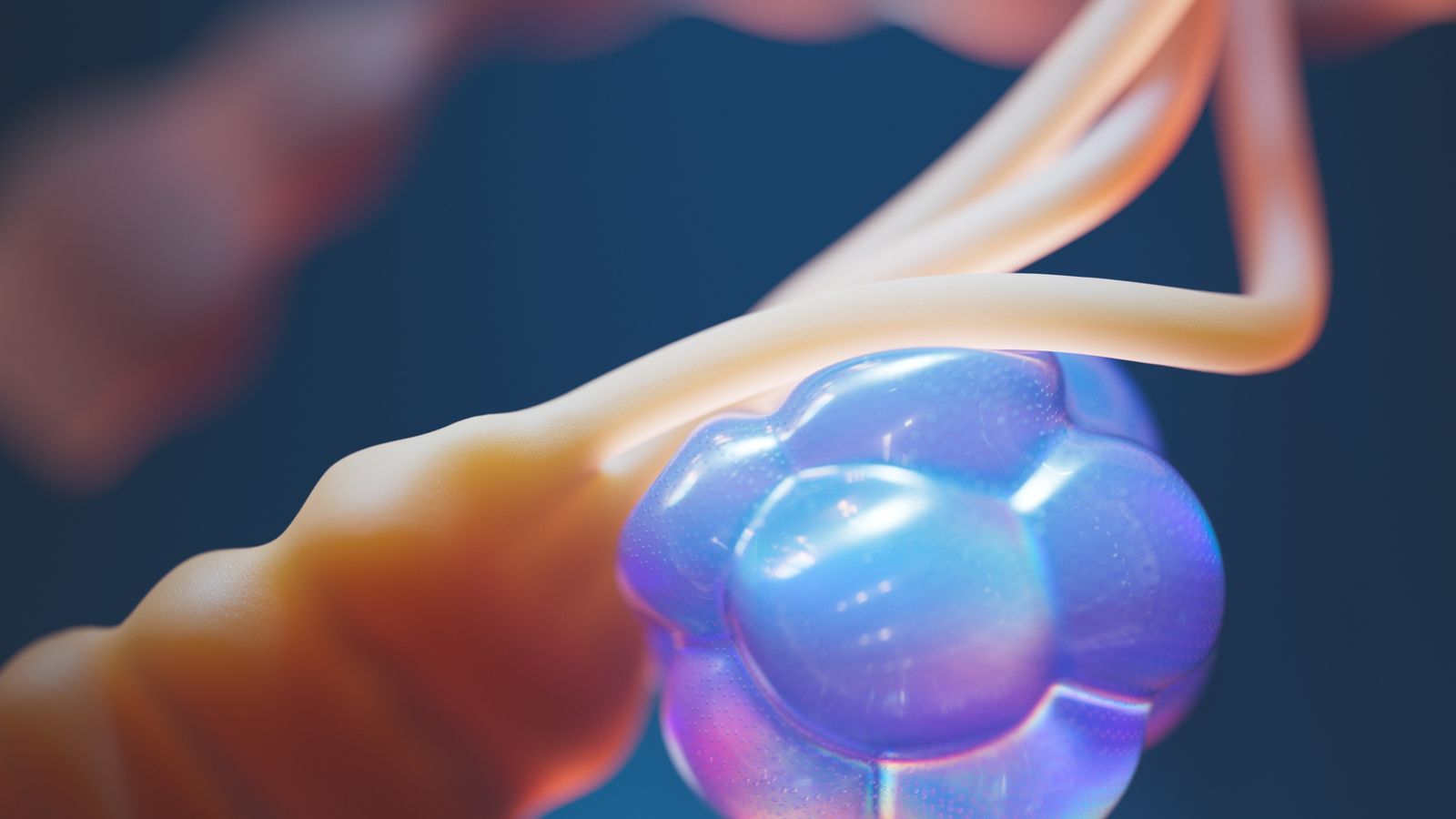
Mast cell activation syndrome (MCAS) is a differential consideration in any picture combining inflammation escalation, mucus hypersecretion, and food intolerance patterns.
Mast cells throughout the GI tract release mediators including histamine, prostaglandins, tryptase, and cytokines. These cause smooth muscle contraction, increased vascular permeability, mucus secretion, and neurogenic inflammation. Mast cell-mediated activation of protease-activated receptors can contribute to gut barrier dysfunction.
A large US database analysis (53 million patients) found IBS patients are at least four times more likely to have a mast cell disorder than the general population.
Diagnostic criteria (Vienna consensus 2012/2019): recurrent symptoms involving 2+ organ systems; event-related rise in serum tryptase above baseline (formula: baseline × 1.2 + 2 ng/mL, measured within hours of event vs baseline 24–48h after recovery); clinical response to anti-mast cell therapy.
Tests: serum tryptase during episode and baseline; 24-hour urine N-methylhistamine and prostaglandin D2 metabolites; eosinophil count; TPSAB1 duplication for hereditary α-tryptasemia.