
Microbiome ecology
The gut as ecosystem — species, diversity, and dynamics
The gut microbiome is the largest single influence on human physiology that we still understand only partially. This topic curates the evidence — colonisation dynamics, dysbiosis, FMT engraftment, keystone species, antibiotic resilience — with the same citation rigor as the…
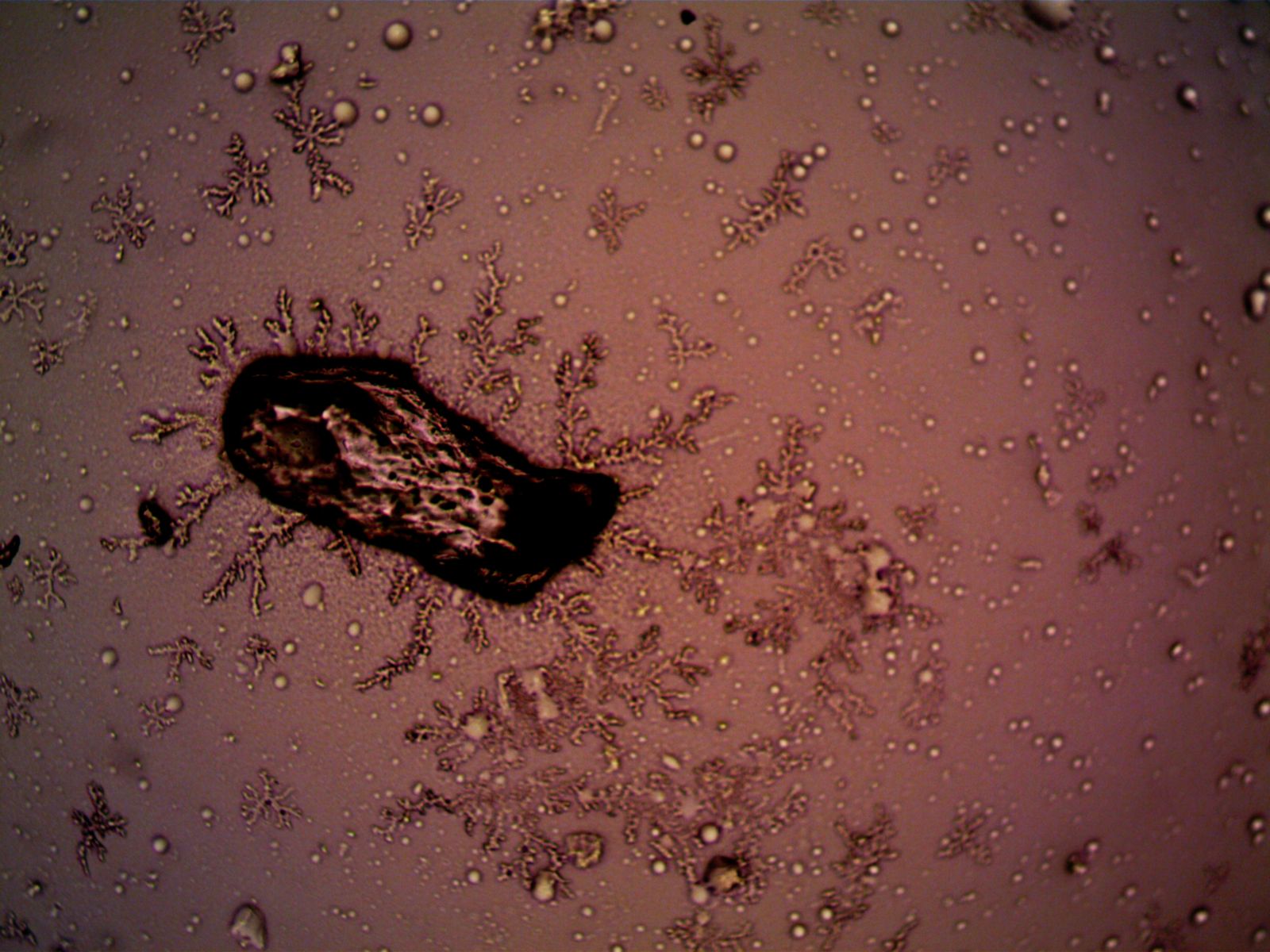
Fecal Microbiota Transplant for Anorexia Nervosa
The purpose of this pilot randomized-controlled trial is to determine whether Fecal Microbiota Transplant (FMT) treatment demonstrates feasibility, acceptability, and prelinary effectiveness among patients with anorexia nervosa (AN). Specifically, the investigators aim to compare changes in weight, gut microbiome, urine, blood biomarkers and mood symptoms between participants…
Read article →Latest research
21 articles in Microbiome ecology, sorted by date
Paeoniflorin Ameliorates Alcohol-Induced Depression via Modulating the Gut-Brain Axis and Inhibiting the NF-κB/NLRP3 Inflammasome Pathway in Mice
Paeoniflorin (PF), the primary bioactive component of Paeonia plants, exhibits neuroprotective and anti-inflammatory activities. However, its potential role in alcohol-induced…
Read article →
Gut Microbiota Dysbiosis Remodels the Multi-Tissue Transcriptional Landscape of the Host
<title>Abstract</title> <p> Background The gut microbiota exerts a profound influence on host physiology, but its systemic impact on gene expression across diverse tissues remains…
Read article →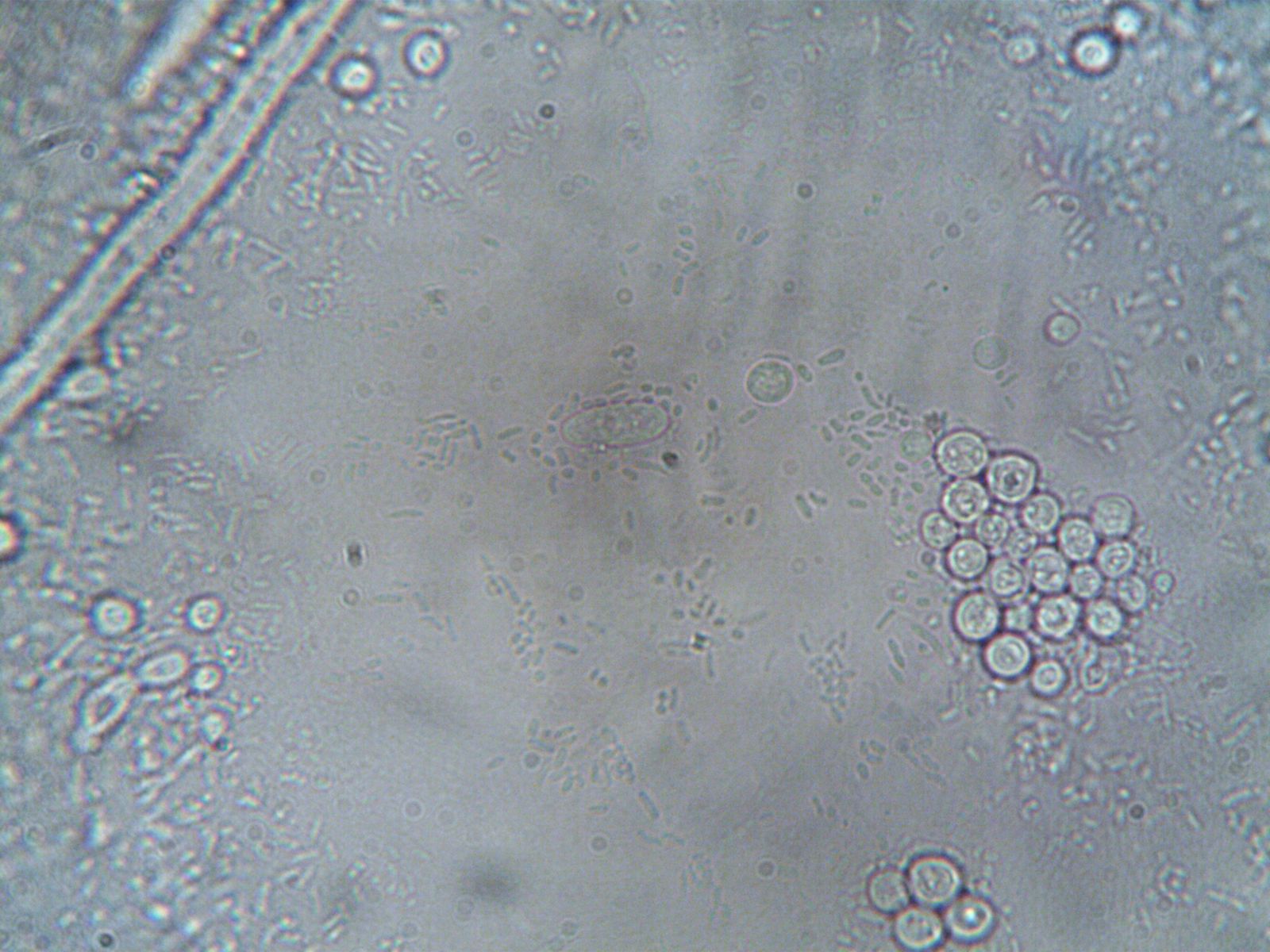
Microbial and Environmental Factors Associated With Polyps Development in Familial Adenomatous Polyposis (MicrobEnvironment in FAP)
Familial adenomatous polyposis (FAP) is an autosomal dominant inherited disorder linked to a mutation in the APC gene, associated with the development of multiple colonic and…
Read article →
Microbiota remodeling after bariatric surgery: Procedure-specific dynamics and metabolic implications
Bariatric surgery is recognized as the most effective surgical strategy for achieving sustained weight loss and improving metabolic disorders in patients with severe obesity.…
Read article →Mediterranean Diet and Weight Loss: Targeting the Bile Acid/Gut Microbiome Axis to Reduce Colorectal Cancer
A Mediterranean Diet (MedDiet), a largely plant-based dietary pattern, is relevant to CRC prevention and microbial production of anti-cancer metabolites in observational studies.…
Read article →
Gut Microbiome in AP Naive
Antipsychotic (AP) medications are currently the cornerstone of treatment for schizophrenia (SCZ), with off-label prescription rapidly increasing in youth, with an established…
Read article →
Influence of Probiotics on Early Gut Microbial Colonization
The goal of this clinical trial is to learn whether daily probiotic drops plus vitamin D3 can improve early gut microbiome colonization in healthy infants born by C-section. It…
Read article →The Effect of OptiFibre Dietary Fiber on Carbohydrate Metabolism and Intestinal Microbiota Metabolism in Patients With Type 2 Diabetes Mellitus
The goal of this clinical trial is to to study the effect of Optifiber PHGG on carbohydrate metabolism in patients with type 2 diabetes mellitus. The main questions it aims to…
Read article →
Antimicrobial resistance and the human gut microbiome-a food safety perspective
The gastrointestinal environment is where the resident gut microbiome encounters foodborne microorganisms, antimicrobial resistance genes (ARGs), and bioactive substances from…
Read article →Contributors
All contributors →Researchers and clinicians whose work appears in this topic. Click a name for their full Bionoia profile.
Initiatives & calls
All initiatives →Research topics, team-searches, collaborations, and funding signals from hospitals, companies, and academic groups.
Other topics
Bionoia grows with the field.
Share a paper that shifted your thinking. Propose a topic worth weaving. Signal a need for collaboration. Every contribution sharpens what the next reader sees.